18.12.2025
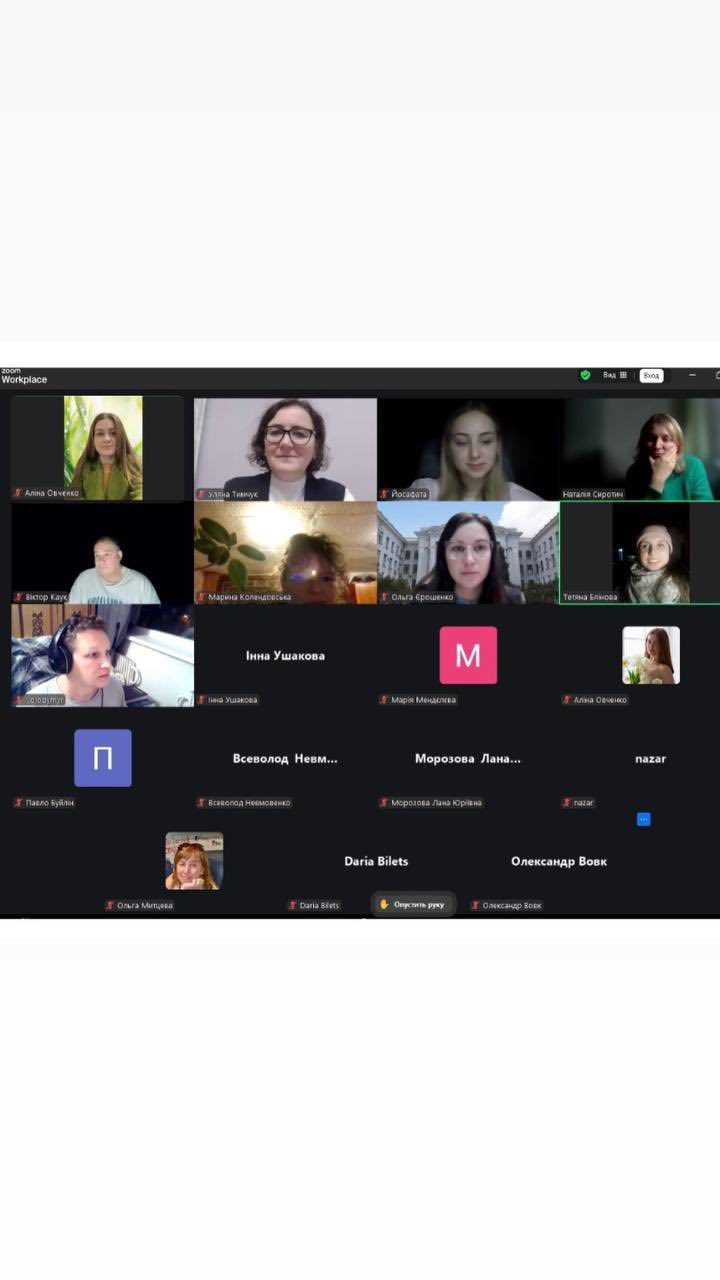
On November 17, 2025, a meeting dedicated to International Tolerance Day was held at NURE, during which participants discussed issues of mutual respect, accessibility, and acceptance.
The meeting was organized by the NURE Accessibility Service “NURE Without Barriers” in conjunction with the NURE History Museum and was conducted by guest speakers from Kyiv:
• Natalia Syrotich — psychologist,
• Yosafata Syrotich — ambassador of accessibility.
During the meeting, participants discussed how to create an atmosphere in the university community where everyone feels valued, unique, and accepted.
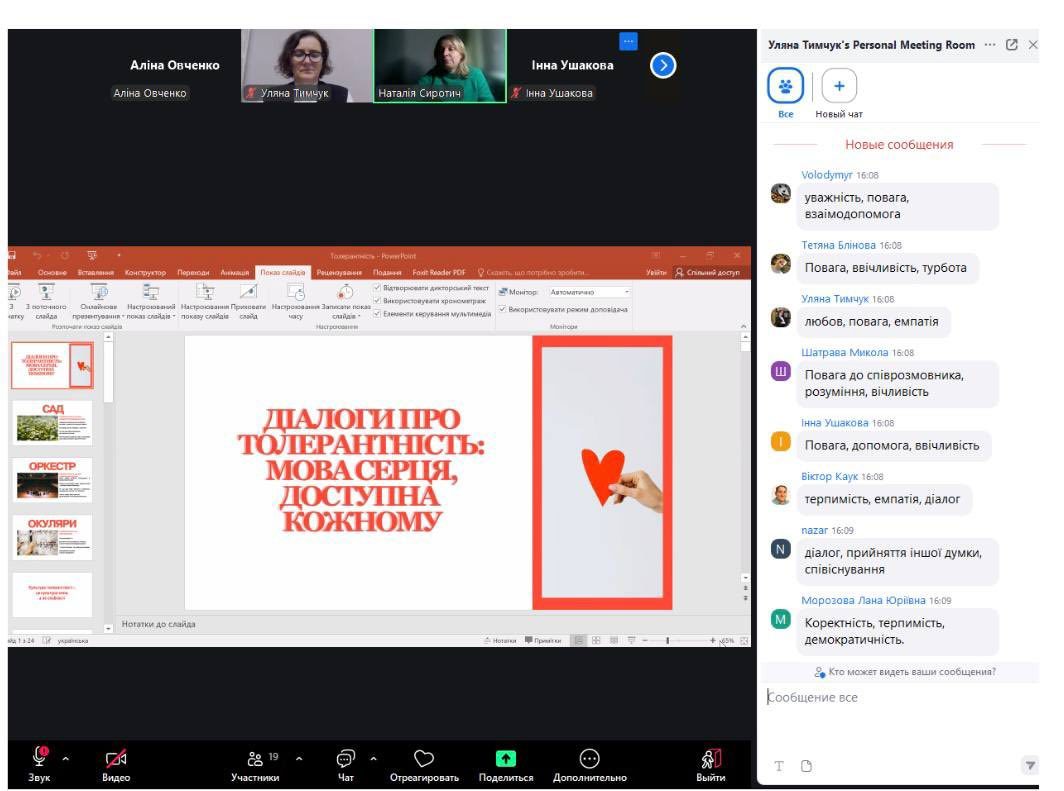
At the beginning, participants shared their own associations with the word “tolerance” and what it means to them.
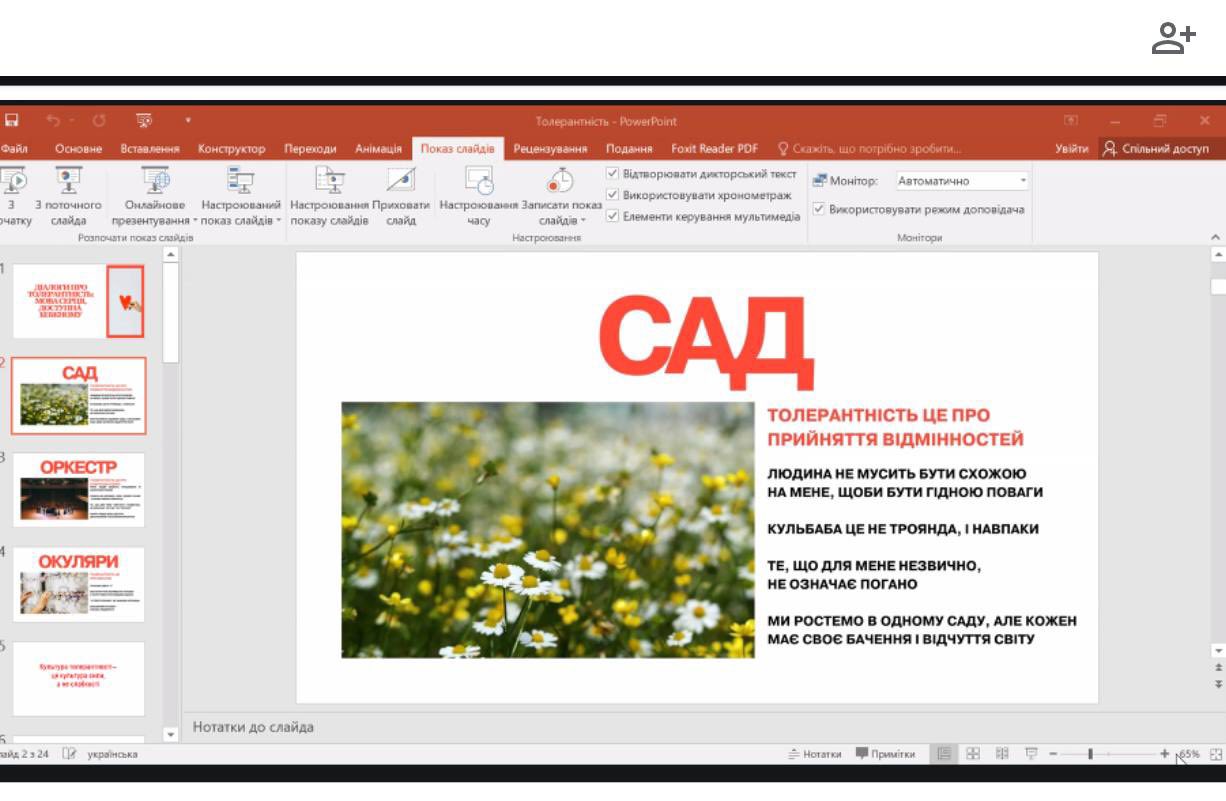
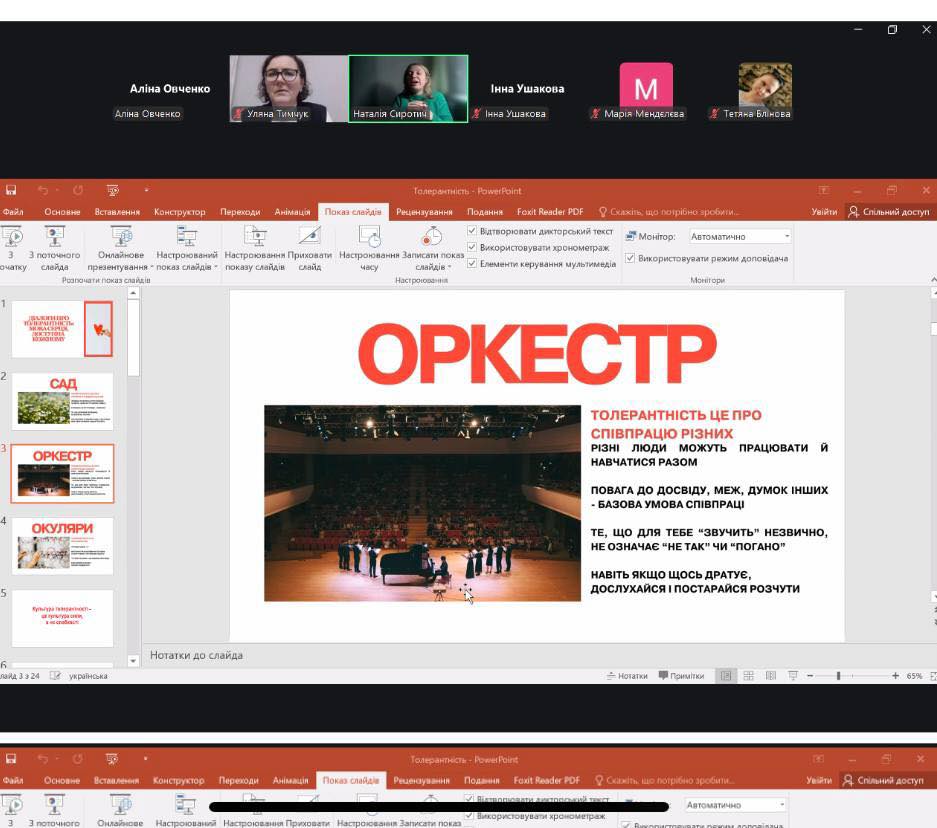
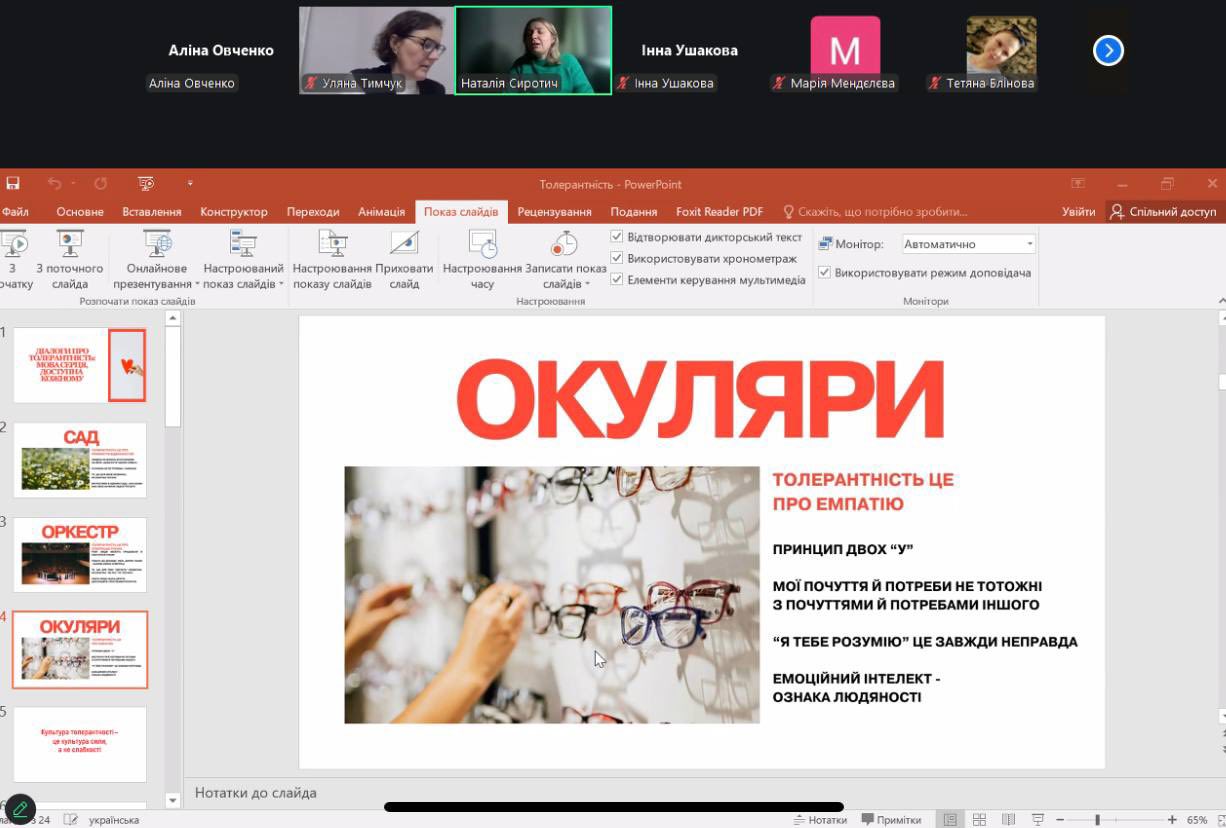
Ms. Natalia shared interesting metaphors about tolerance, such as a garden, an orchestra, and glasses.
A garden is like a space of diversity. Each plant in it has its own rhythm of growth and beauty, its own place of growth, its own characteristics and roles. And there is diversity in this. It might be interesting and beautiful to have a garden with only daisies, roses, or any other flower or plant, but it would be monotonous. No matter how hard the world tries to make everyone the same, strength lies in differences, interaction, and support.
An orchestra is about cooperation. When everyone plays their part, harmony emerges. Although someone may not like a particular musical instrument, its playing, or its sound, just as each person is unique, when they come together, it is harmonious interaction and support.
Glasses are about empathy. The ability to “try on” a different view of the world helps us understand that each person’s feelings are unique.
“A person does not have to be like someone else to be worthy.”
“Don’t be afraid to be unusual — it’s normal.”
They also talked about how emotional intelligence is the key to tolerance. It can be developed, measured, and strengthened.
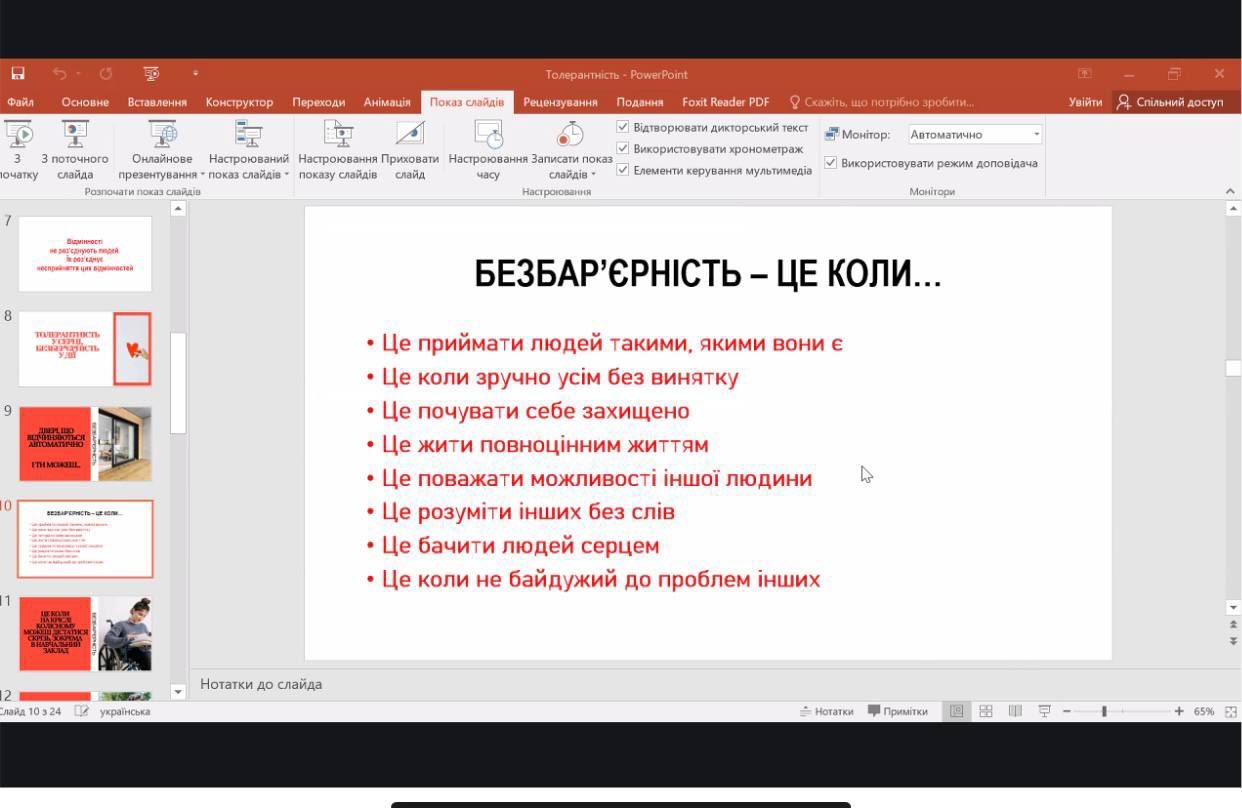
The second part of the meeting was devoted to the topic of accessibility.
An important conclusion was made that tolerance is about perception,
while accessibility is about action.
There was a metaphor about doors that open automatically, i.e., accessibility in everything and for everyone.
The speakers talked about six types of accessibility that shape accessibility in everyday life:
• physical
• social (the ability to dance, blog, be active at any age — without ageism)
• economic (for example, the availability of lactose-free meals in the cafeteria)
• digital (simple interface, understandable language, internet access)
• informational
• communicative.
They drew particular attention to the fact that the Times New Roman font is not barrier-free, as it has small serifs that make it difficult for people with dyslexia to read.
Inclusion is the result of barrier-free access.
How to speak correctly?
The main principle of correct communication is: first — the person, then the characteristic, status (person with a disability, person with visual impairment, person with epilepsy).
Examples of incorrect and correct forms of address were considered.
“Special needs” is not correct.
This expression may only be used in education in relation to children with special educational needs.
“Grandmother/grandfather” in relation to strangers is incorrect.
We also reminded ourselves of the power of empathy:
“Empathy is based not on judgment, but on facts,” and “the biggest barrier is indifference.”